What I Know About Skin Now That I Didn’t Before
BY DEJA TRIBUE
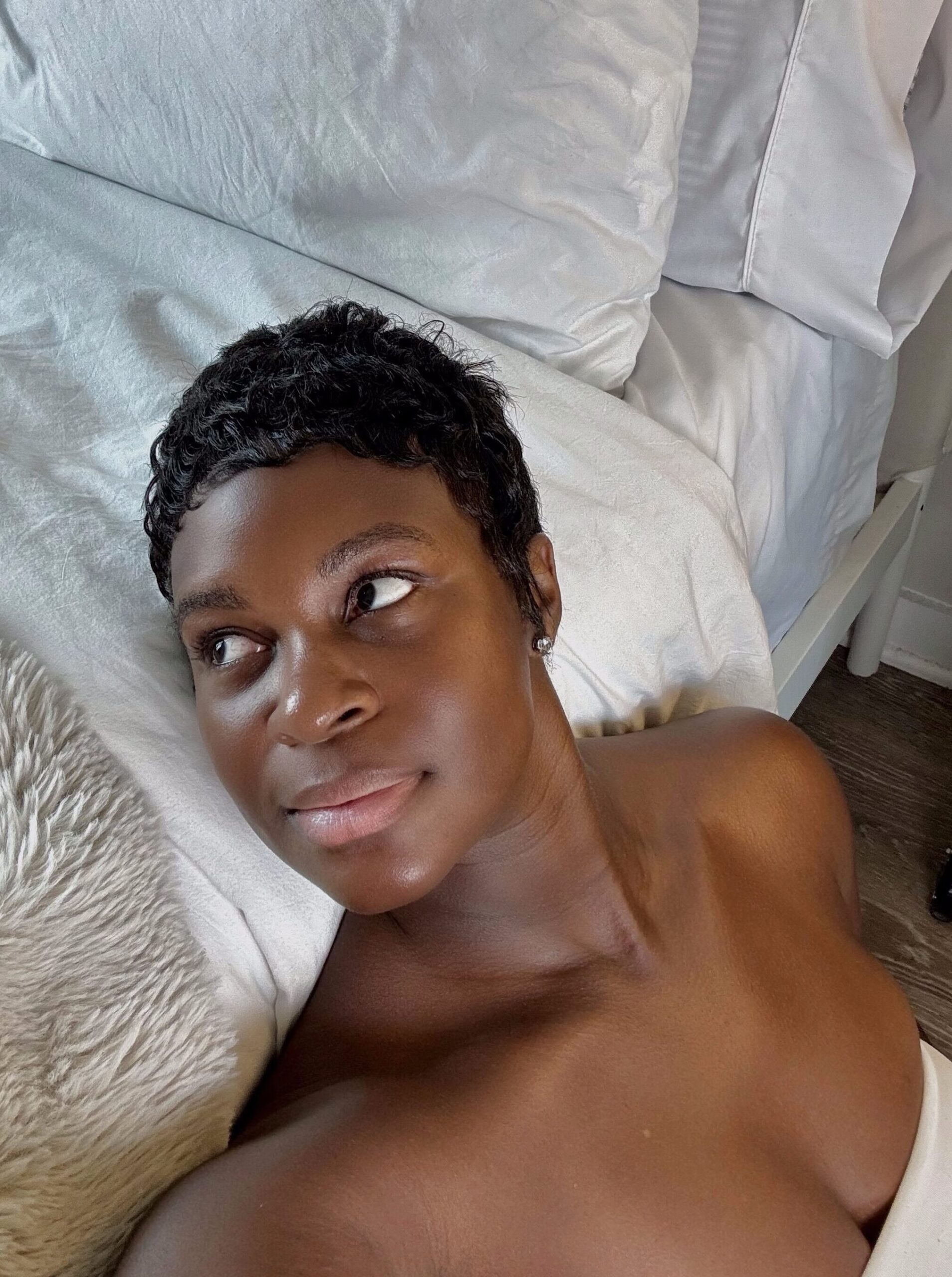
There was a time when skincare felt simple—cleanse, tone, moisturize, maybe try something new if it was a holy grail product. But honestly, that simplicity is kind of an illusion. The more I learned, the more layered and more complicated it became. LOL.
The irony is that the more knowledge of a thing doesn’t always simplify it, it just makes you see how complex it really is. It came with more awareness of ingredients, of function, of what my skin might need…more to consider.
Ignorance is bliss, truly…but I really love this.
I’ve been fortunate to have relatively unproblematic skin. In my late teens and twenties, skincare, for me, was never about fixing anything—it was about maintaining and protecting what I already had. I didn’t have to think about acne or constant breakouts, just occasional mild hyperpigmentation, so my relationship with skincare was rooted in upkeep: keeping my skin clear, radiant and smooth.
At the time, I didn’t fully understand what it meant to struggle with your skin. The idea that “good skin” is something you preserve was instilled in me early, the same way I now find myself planting those exact seeds in my daughter as she learns to care for her own skin at 5 years old.
Because of that, I didn’t have to think about the reality of conditions such as acne-prone skin; the trial and error, the confusion, trying to figure out what’s causing inflammation when it could be so many things.
I knew, at least on a surface level, that there were different skin types, and I knew mine. Normal to dry. So I stayed within that lane — hydrating, moisturizing and always some form of exfoliation.
I never had to question how difficult it actually is to correct skin. What it means to treat it. To understand it. To read it. To choose products with intention instead of assumption or trend.
That changed with my professional training, when I started to understand the skin beyond the surface. Learning about processes like the inflammation cascade, cellular turnover, and correcting things like hyperpigmentation.
And then even more, working with skin in real time, seeing how different every person’s skin is and how much goes into treating it. There’s an art and a science to it — customizing treatments, understanding ingredients, not over manipulating but layering products in a way that actually supports the skin instead of overwhelming it. It gave me a completely different respect for skincare. Completely. Not just as a routine, but as something that requires patience, understanding and care.
So when I think about skincare I think about function first. What is happening beneath the surface? What does the skin actually need? What’s the goal?
And yeah, in that order.
The way I see skin has completely shifted.
It’s no longer just about products — it’s about understanding what the skin is doing, and choosing ingredients that actually support that.
I don’t just see how the skin presents anymore — I’m seeing what’s happening underneath it. When a client comes in with dry, dehydrated skin, I’m not just reaching for moisture. I’m literally visualizing TEWL (transepidermal water loss) happening within the layers of her skin.
I’m connecting the dots in real time — how her barrier is functioning, where it’s compromised and what needs to be corrected to actually support it.
So what I know now is this: skin is never just surface. It responds, it communicates, and it reflects far more than what we put on it.
xo, Deja